
Santa Rosa heats up fast. By mid-afternoon in July, the west-facing rooms in Bennett Valley, Rincon Valley and Montecito Heights are usually the warmest in the house, and old glass is almost always why. Winter flips it around: cold, damp mornings when aluminum frames sweat and water pools along the sill. Then there's fire. The Tubbs Fire in 2017 burned through Fountaingrove and Coffey Park, the Glass Fire reached the eastern hills in 2020, and plenty of Santa Rosa homeowners have since looked hard at what their windows would do in the next one.
We replace windows all over the city, from 1950s ranch houses near Montgomery Village to newer rebuilds up the hill. Most jobs are vinyl retrofits set into the existing frames, which leaves stucco and drywall alone. For homes in the hazard zones we order dual-pane units with a tempered pane. And if one pane has fogged but the frame is fine, foggy glass replacement may be all you need. Call, and we'll come measure and quote it at no charge.
Fire Zones Around Santa Rosa and Your Windows
Large parts of the hillsides north and east of town sit in mapped fire hazard zones drawn by CAL FIRE, and inside them, state rules require new exterior windows to be multi-pane, with one or more of the panes tempered. The reason is simple. In a wildfire, ordinary glass can crack from radiant heat well before flames arrive, and an open window lets embers straight into the house. Tempered glass is heat-treated and holds out far longer. Paired with a second pane, it buys time. If you're not sure whether your street is mapped, CAL FIRE has a free online hazard map, and we check every address during the estimate. Plenty of owners just outside the lines choose tempered glass anyway, especially on the sides of the house that face open hillside. The same goes for homes in the hills above Windsor, where the fire maps cover a lot of ground.
Older Neighborhoods, Original Windows
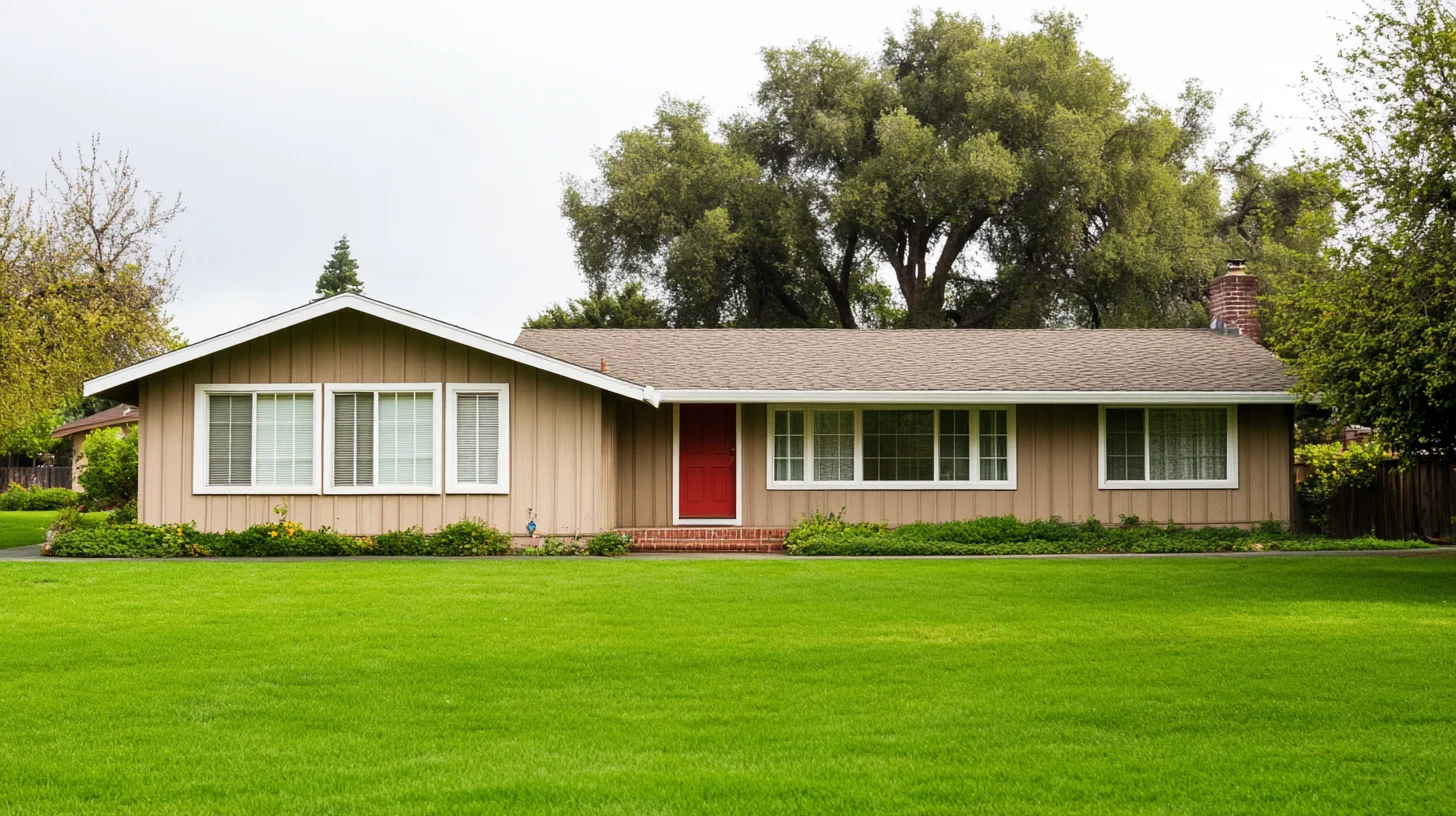
Away from the hills, a different problem shows up. The streets around Montgomery Village and the Junior College neighborhood are full of homes from the 1920s through the '60s, and plenty of them still run single-pane wood sashes or the aluminum sliders that replaced them in the '70s. Those windows rattle, leak air and let in every bit of noise from Highway 101 and the SMART line. For a ranch house, a vinyl retrofit is usually the practical fix. For a craftsman or a 1930s bungalow near the JC, the trim and window proportions are part of the house, so we often suggest wood and fiberglass windows instead. Either way, a tight install with fresh insulation around each frame makes as much difference as the glass, and you'll notice it the first night the street gets quieter.
Common Questions
It might be. Much of the hillside east and north of town is mapped, while most of the flatter neighborhoods are not. You can look up your address on CAL FIRE's online fire hazard map, or we'll check it for you before quoting. When it applies, new windows must be multi-pane with a tempered layer, which most dual-pane windows can be ordered with for a modest upcharge.
Yes, usually by a lot. Dual-pane glass blocks far more sound than single-pane, and a tight install closes the air gaps around the frame where much of the noise sneaks in. For rooms right next to the freeway or the train line, laminated glass on one pane goes further still. We can price both options for you at the estimate.