
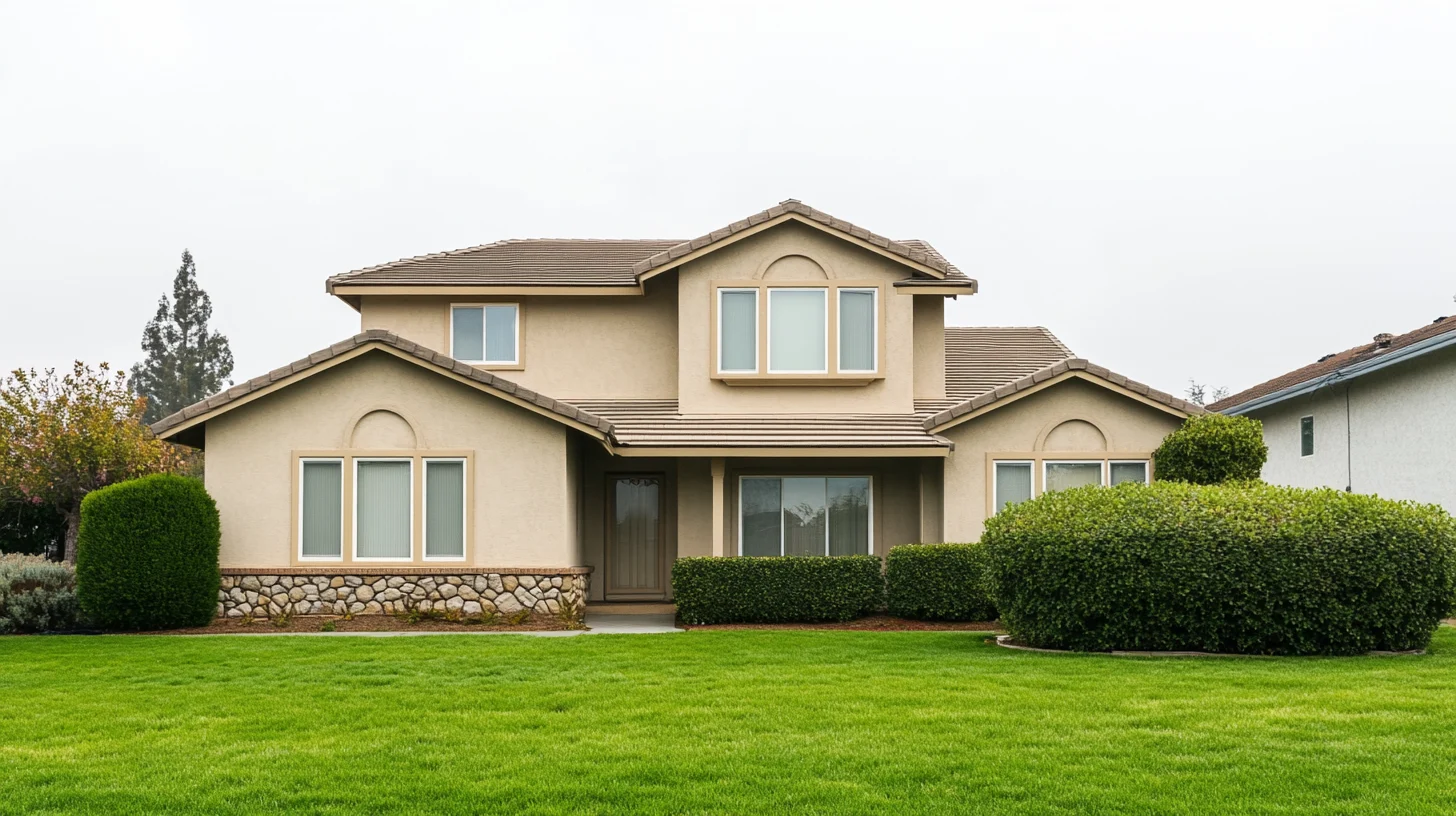
Windsor grew up fast. The town only incorporated in 1992, and most of its neighborhoods went up in the '90s and early 2000s, which means a lot of homes here are now reaching the age when builder-grade windows start to give out. The seals on those first dual-pane units fail and the glass clouds over. Vinyl frames from the cheaper lines turn chalky and the locks loosen. And Windsor summers are hot, so the west and south walls of a two-story house soak up afternoon sun until the upstairs bedrooms are hard to sleep in. Then there was the 2019 Kincade Fire, when the entire town was ordered to evacuate. A lot of families came home and started looking at what they could do to make the house harder to burn.
Our crews work all over Windsor, from the blocks around the Town Green out to the newer subdivisions and the hillside homes on the east side. Most jobs are full sets of vinyl windows with better glass than the originals, and the builder slider usually goes too, so patio and sliding door replacement is a common add-on. Call and we'll set a time to measure, free.
When Builder Windows Hit 25 Years
A window doesn't fail all at once. On a lot of Windsor homes the first sign is one or two panes going foggy, usually on the sunny side where the seal works hardest. Then the rest start following. Builder-grade vinyl from the '90s was often thin-walled, with basic glass that didn't have much of a Low-E coating, so even the windows that still look clear are letting in more heat than a new unit would. Sashes start sticking, weatherstripping flattens, and the bottom rails on sliders crack. When most of the windows are the same age and the same brand, it usually makes sense to replace them as a set rather than chase failures one at a time. Up the road in Healdsburg, where summer runs even hotter, the same builder windows wear out faster still.
Fire Hazard Zones on Windsor's East Side
The Kincade Fire burned right up to the eastern edge of town, and the hills and open land on that side of Windsor include mapped fire hazard zones. Inside those zones, state rules require new windows built from two or more panes, one of them tempered, the kind that stands up to radiant heat far longer than ordinary glass. Plenty of homeowners closer to the freeway choose the same glass anyway, since the cost difference per window is modest. While we're there, it's worth looking at the rest of the openings too: an old aluminum slider facing open grass is a weak spot, and a dual-pane tempered door closes it up. We check every address against CAL FIRE's map before quoting, and our main window replacement page explains the fire and energy rules in more detail.
Common Questions
No. If only a few are cloudy and the frames are still solid, new glass units in the old frames can carry you a few more years. But when a house built in the '90s has several failing at once, the rest usually aren't far behind, and replacing them together costs less per window than doing them in rounds. We'll tell you honestly which way makes sense for your house.
Usually, yes. Today's Low-E dual-pane glass blocks much more of the sun's heat than the basic glass in older builder windows, especially on west- and south-facing walls. The upstairs won't feel like the downstairs overnight, but most homeowners notice the difference on the first hot afternoon, and the AC doesn't have to run as hard to keep up.